



















How to Layer Fragrances Without Clashing
Fragrance layering means wearing two or more scents at once so they blend on your skin into something that belongs to you alone. It sounds risky, and it can be — but almost every clash comes from the same mistake. The rule that prevents it: only layer scents that share a common note or accord. If both fragrances contain lavender, or vanilla, or musk, that shared thread bridges them and the result reads as one perfume rather than two arguing with each other.
TL;DR: Pick one simple, clean scent as your base and one richer scent for character, and make sure they share a note. Spray the heavier one first, the lighter one on top, one spray each, on different areas of skin. Less is always more.
What fragrance layering actually is — and why people do it
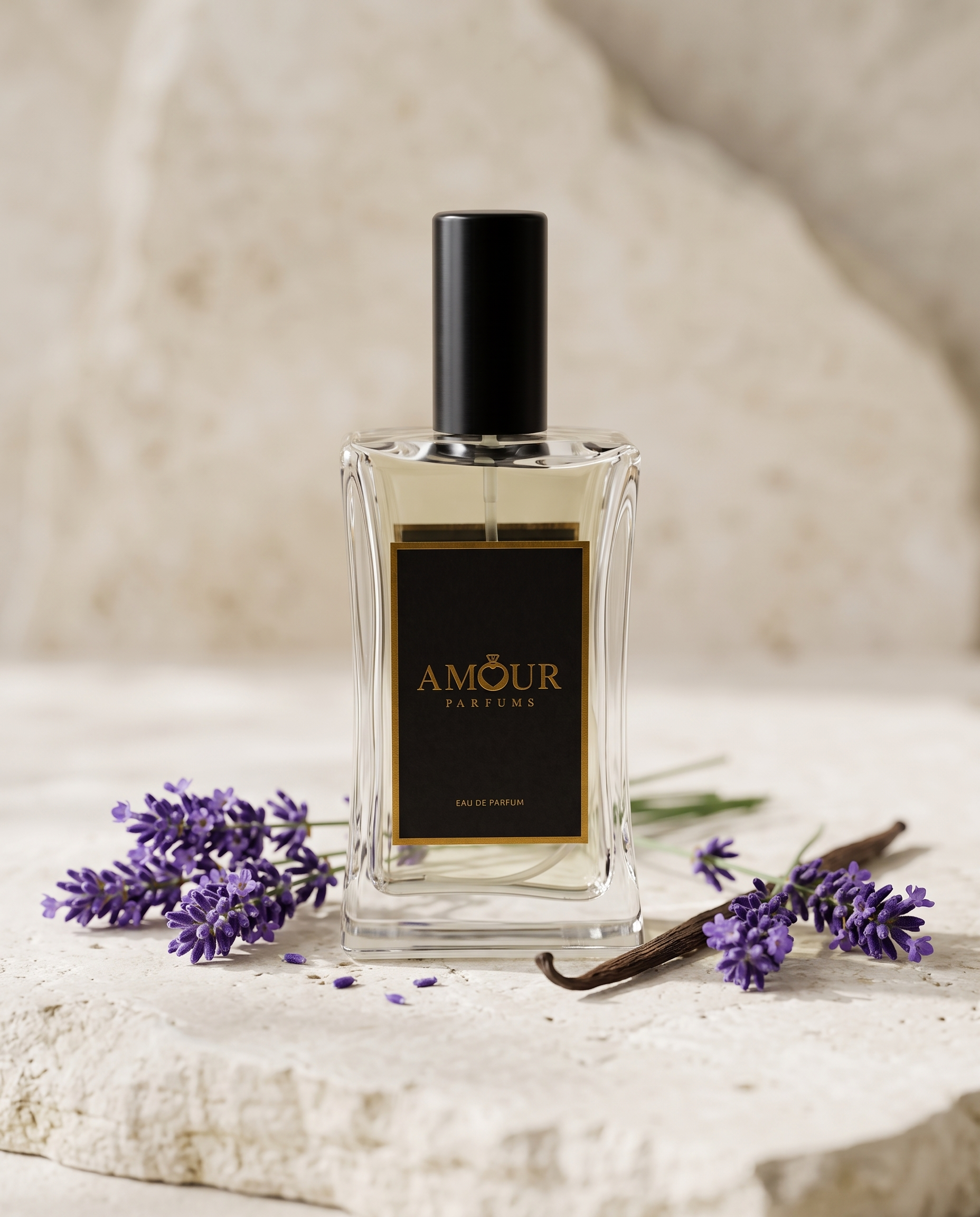
Layering is the practice of combining two (occasionally three) fragrances so that they develop together over the course of a day. Perfumers have always built compositions from accords that support one another; layering lets you do that final step yourself, on skin. Three good reasons to do it:
- Personalisation. Two people can own the same two bottles and still smell different, because skin chemistry, dosage and order all shift the outcome.
- Boosting longevity. Citrus and aromatic notes are volatile by nature. A musky, woody or vanillic partner underneath gives them something to hold onto, so the whole impression lasts longer.
- Softening or sharpening. A gourmand that feels too sweet can be dried out with a clean aromatic scent; a scent that feels too sharp can be rounded off with something powdery. Layering lets you edit a perfume you already own.
The golden rules of layering
These are the rules that turn layering from a gamble into a repeatable technique.
1. Share a common note or accord
The non-negotiable one. Lavender with lavender, vanilla with vanilla, musk with musk. The shared material anchors both fragrances and stops your nose perceiving two separate signals. If you cannot name a note the two scents have in common, do not layer them.
2. Pair a simple scent with a complex one
Two complex, densely built fragrances will fight for attention and produce a muddled result. The reliable formula is one simple scent as a base — clean, aromatic, musky — plus one characterful scent for personality. The simple one is the canvas; the complex one is the paint.
3. Heaviest first, lightest on top
Apply the fragrance with the richer base — amber, woods, vanilla, leather — first, let it settle, then apply the lighter one over it. Heavy notes anchor to the skin while lighter notes sit above them. Reverse the order and the fresh top notes get buried.
4. Start with one spray each
Two fragrances at your usual dosage is double the perfume. Begin with a single spray of each and build up only if the result feels too quiet after an hour.
5. Leave space between areas of skin
You do not have to spray both onto the same spot. One on the neck and one on the chest lets them meet in the air around you rather than colliding at full strength — the gentlest way to test a new pairing.
6. Less is more
Two fragrances is the sweet spot. Three works only if all three share the same anchor note. Beyond that you are not layering, you are blending randomly.
Combinations that work
Some pairings are almost foolproof because the shared material is doing so much of the work.
- Vanilla + woody. Sandalwood and cedar give vanilla structure and stop it reading as purely sweet — the classic cold-weather layer.
- Lavender or aromatic + citrus. Lavender with bergamot, lemon or grapefruit: both belong to the same fresh, aromatic language, so the transition is seamless.
- Musk as a universal base. White musk is the closest thing to a universal connector. It sits under almost anything, extends wear time, and smells like clean skin rather than a competing perfume.
- Powdery + floral. Heliotrope, soft powder and florals such as rose or orange blossom melt together into something quietly elegant and very wearable.
Combinations that fight
- Two loud gourmands. Caramel over coconut over praline is not a fragrance, it is a dessert trolley. Sweetness stacks fast and turns cloying within an hour.
- Two strong oriental or amber compositions. Both are already dense with resins and spices. Layered together they become heavy and shapeless.
- Heavy oud or leather with sharp citrus. The citrus reads thin and sour against the depth of the oud, and there is no shared note to bridge the gap.
Layering beyond perfume
The fragrance itself is only the top layer. What is underneath matters just as much.
- Unscented moisturiser first. Hydrated skin holds fragrance far better than dry skin, and an unscented lotion adds no third smell to your planned pair.
- Scented body products. Treat a body cream or shower gel as part of the layer and choose one that shares a note with your perfume — a vanilla or musk cream under a vanilla-rich scent.
- Hair and clothing. Hair holds scent beautifully and releases it with movement, but spray from a distance rather than onto strands. Fabric holds fragrance longest, so save it for the scent you want to persist.
A worked example: layering three AMOUR fragrances
Here is how the rules apply in practice, using three scents that pair well by design.
AMOUR No. 744 is a unisex fragrance and the ideal layering base. It opens on lavender, grapefruit and lemon, moves through geranium, orange blossom and rose, and settles into white musk, heliotrope, sandalwood, vanilla, moss and coumarin — aromatic, powdery, citrus and musky accords that stay clean and legible rather than complicated. Exactly what a base should be.
AMOUR No. 79 is a women's fragrance and the sweet, gourmand partner. Coconut, peach, star anise, magnolia, orange blossom, mandarin and bergamot lead into heliotrope, tuberose, rose and jasmine, over vanilla, caramel, sandalwood, tonka bean, musk, amber and cedar.
AMOUR No. 207n is a men's fragrance and the aromatic, spicy partner. Lavender, Calabrian bergamot, orange blossom and anise open it, plum, juniper berries, cinnamon and nutmeg fill the heart, and leather, amber, patchouli and labdanum anchor the base.
Why these pair
No. 744 + No. 207n works because both contain lavender, plus bergamot-family citrus and orange blossom on top. That shared aromatic thread is precisely why they merge instead of clashing. Apply No. 207n first — its leather and amber base is the heavier of the two — then No. 744 over it: the grapefruit and lemon lift the opening, and the powdery musk softens the leather in the dry-down.
No. 744 + No. 79 works for a different reason. No. 744's clean white musk and vanilla base sits under No. 79's caramel and coconut sweetness and lifts it, stopping the gourmand from turning syrupy. Both also carry heliotrope, orange blossom, sandalwood and vanilla — four shared points of contact. Spray No. 79 first, then one spray of No. 744 on top.
Notice the pattern: No. 744 is the constant in both pairings, because a simple, clean, musky-aromatic scent is the most useful thing to own if you intend to layer. To find other partners for it, browse our complete fragrance collection.
Frequently asked questions
What is fragrance layering?
Wearing two or more scents at the same time so they combine on your skin into a single, personalised impression. It can also include scented body products applied underneath the perfume itself.
Which fragrances should never be layered?
Avoid two loud gourmands, two heavy amber compositions, or a deep oud and leather scent with sharp citrus. More generally, never layer two fragrances that share no note or accord — that is where clashing comes from.
Which perfume goes on first?
The one with the heavier base — amber, woods, leather, vanilla. Let it settle, then apply the lighter, fresher fragrance on top so its bright notes stay on the surface where they can be perceived.
How many fragrances can I layer at once?
Two is ideal. Three works only if all three share the same anchor note, such as musk or vanilla. Beyond that the individual characters cancel each other out.
Does layering make perfume last longer?
It can. A musky, woody or vanillic scent underneath a light fresh one gives the volatile top notes a heavier foundation to sit on, which extends how long the combination stays perceptible. Applying to moisturised skin helps for the same reason.
Can men and women layer the same scents?
Yes. Notes have no gender, and a unisex base such as a clean aromatic musk works underneath both men's and women's fragrances. Categories guide style and mood, not permission — wear whichever combination smells right on you.
Start with a base, then experiment
Layering is far less intimidating than it looks once you accept the single rule that governs it: share a note, or do not layer. Everything else — order, dosage, placement — is refinement on top of that one decision. Begin with a clean, simple, aromatic scent as your foundation, add one characterful partner, keep it to a spray each, and give the combination an hour before you judge it. Explore AMOUR No. 744 as your base and find its partner in the full AMOUR range.